
Handrail
Handrails in solid timber, shaped for comfort and safety on stairs and in public spaces. We have made them in Herrljunga since 1945.

Timber handrails – comfort and safety
A handrail is an important safety element on stairs and along the walls of public buildings. We make handrails in solid timber – in oak, ash, beech and other species – shaped for a good grip and comfort. A handrail is judged by touch before it is judged by eye.
- ✓Handrails in oak, ash, beech and other species
- ✓A range of profiles and dimensions
- ✓Wall-mounted and free-standing
- ✓Made-to-measure lengths and bends
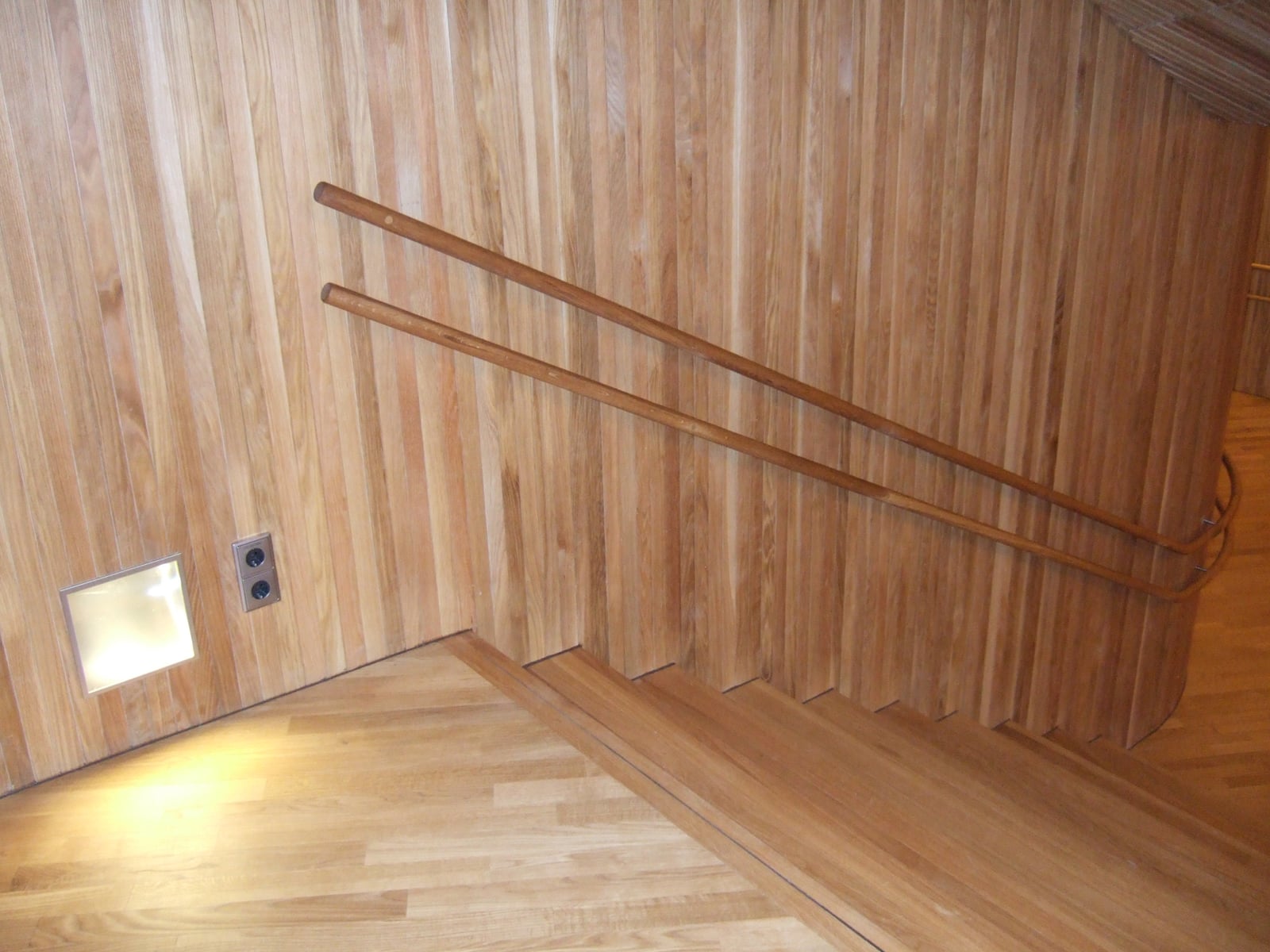
Oslo Opera House 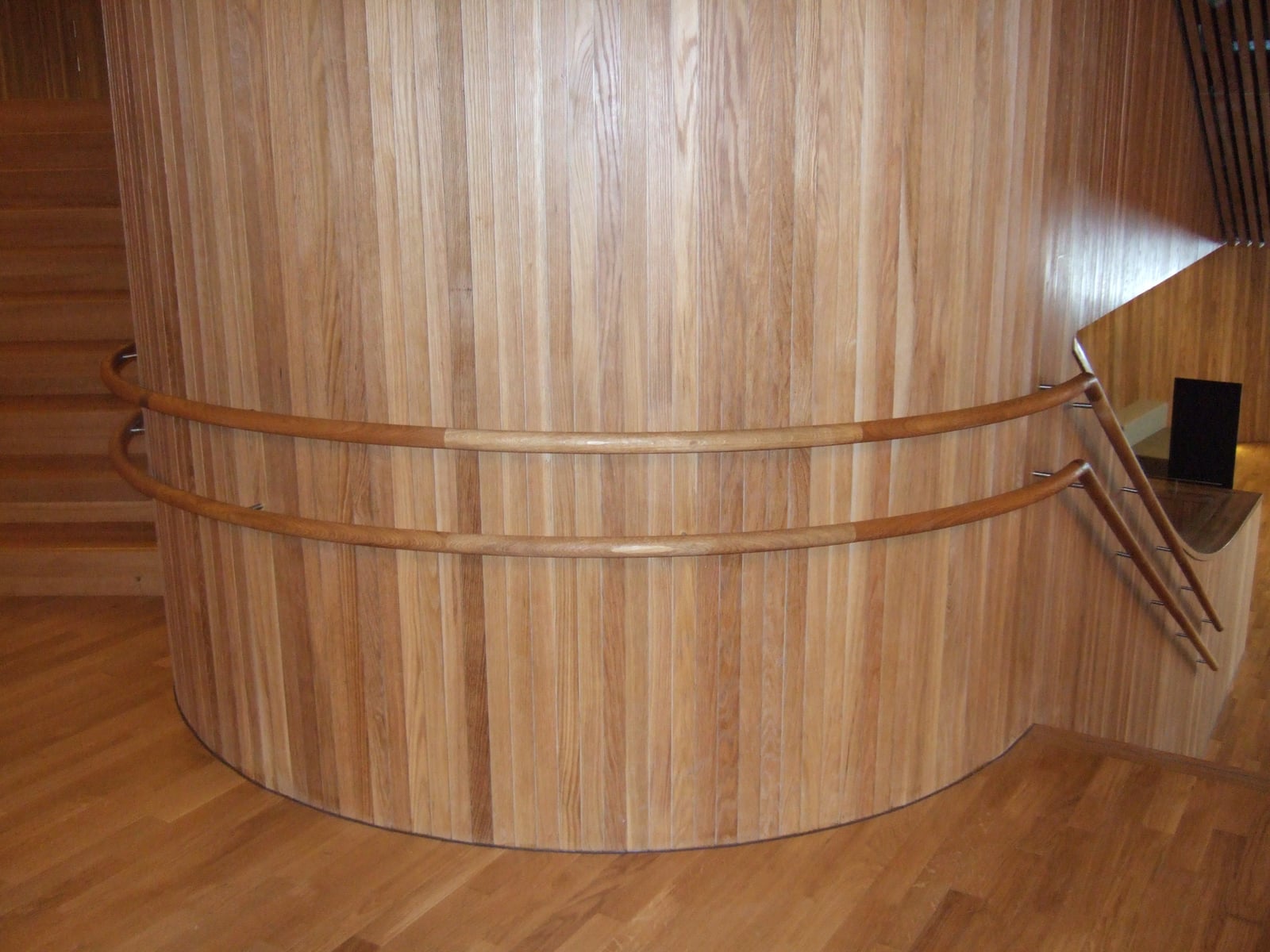
Oslo Opera House 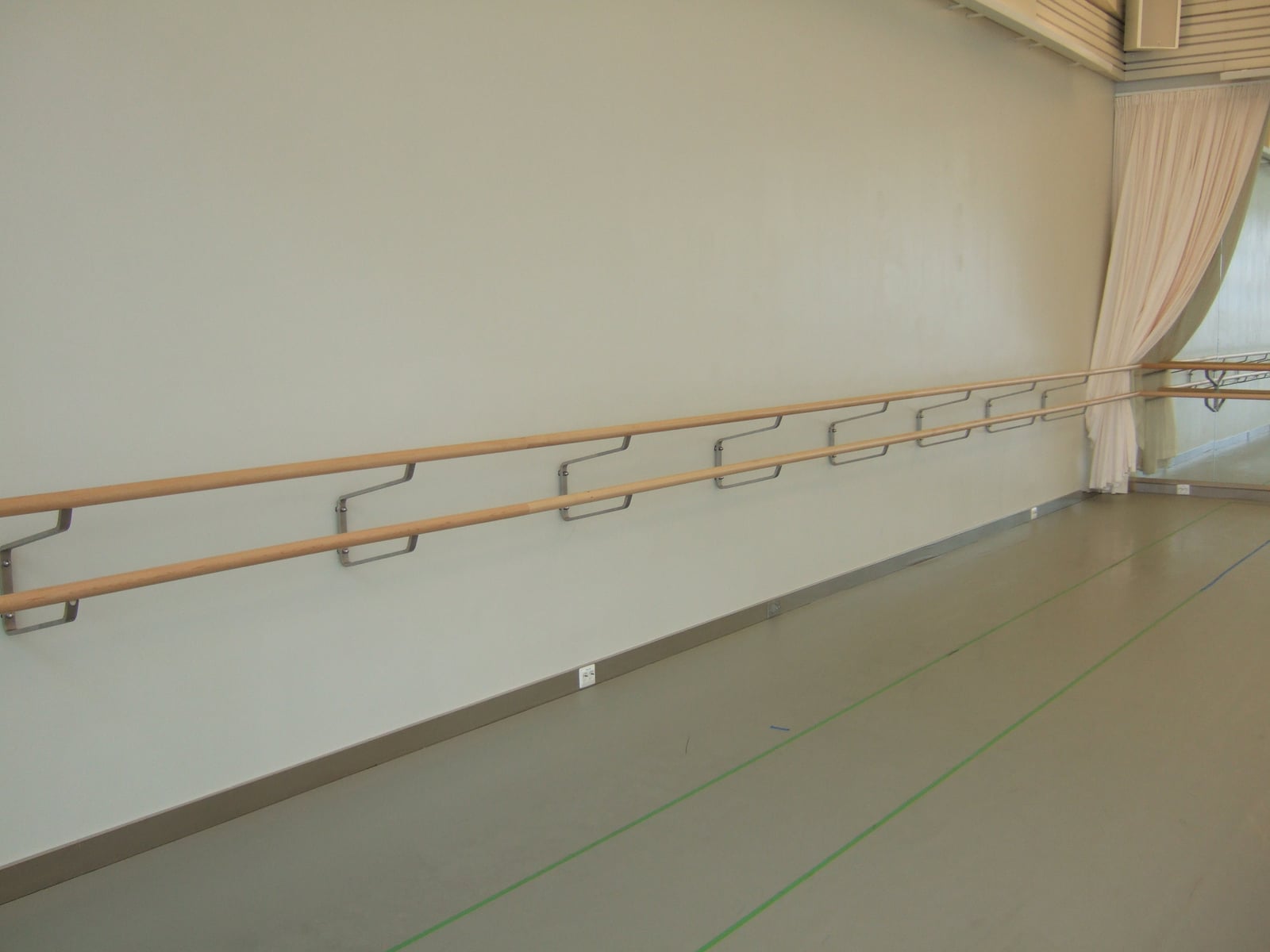
Oslo Opera House · Dance studio


Handrails for homes and commercial buildings
We supply handrails for everything from private stairs to large public buildings such as hospitals, schools and shopping centres. Every handrail is made with precision in our factory in Herrljunga and delivered finished in the surface you choose.


A profile for the hand, a curve for the stair
Over thirty profiles are in production. The round is made in 40, 42, 45 and 50 mm as standard, and in other sizes to order. If none of them fits, we draw and make yours. On a winding stair the handrail is shaped to the stair's actual geometry, not the nearest standard radius. Bends, curved and spiral handrails are made in every profile and every species; they are ordered directly from us, because the measurements need to be agreed.
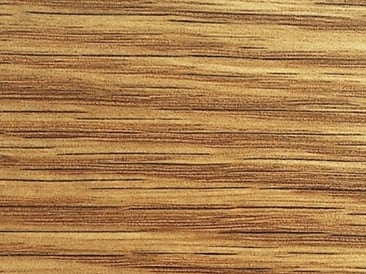
Oak 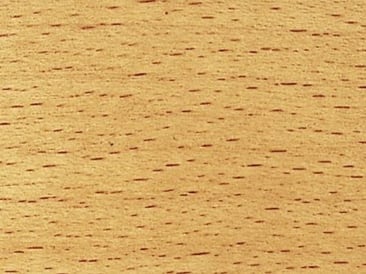
Beech 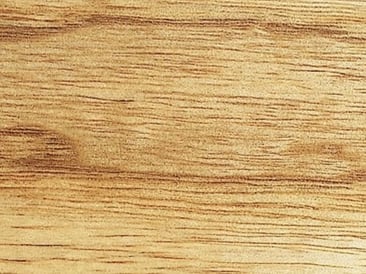
Ash 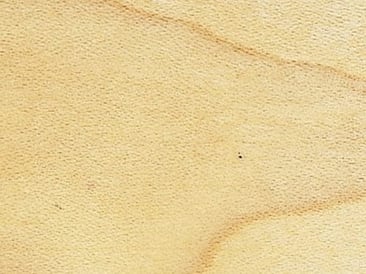
Maple 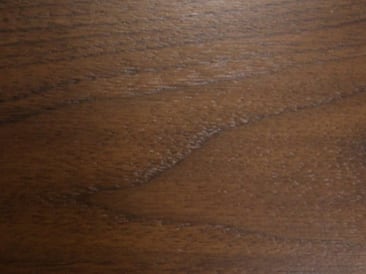
Walnut 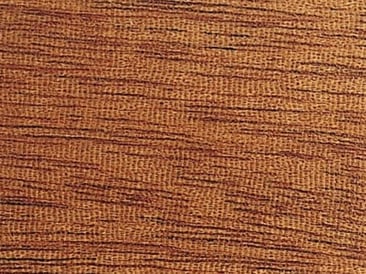
Mahogany


Species and finish
We make handrails in twelve species. Oak is what we use most – hard, stable and with pronounced grain. Beech is dense and takes stain evenly, ash is tough and bends willingly, and walnut is the darkest timber we work in. The finish is chosen from eight standards, from untreated and wood oil to clear lacquer, white paint, black stain and lacquer, and Rubio hardwax oil in four colours – or a finish you describe yourself. We also lacquer in any NCS colour, but that is ordered by email. Oiled oak keeps a matt surface that can be touched up in patches; lacquered oak gives harder protection but has to be sanded back in full when it is redone.

Nr 860 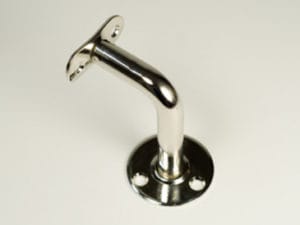
Nr 870 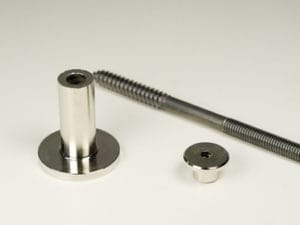
Nr 950/951 
Nr 960/961


Brackets and distance from the wall
The bracket is the only part of the handrail that touches the building, and it decides how far the rail stands off the wall. We have ten designs in brass, nickel-plated brass and stainless steel. Brass darkens with handling and cleaning; nickel-plated brass and stainless do not. Every bracket comes with screws for both timber and concrete walls, and a handrail needs one bracket near each end and no more than 1000 mm between brackets. A 1000 mm handrail needs two brackets.
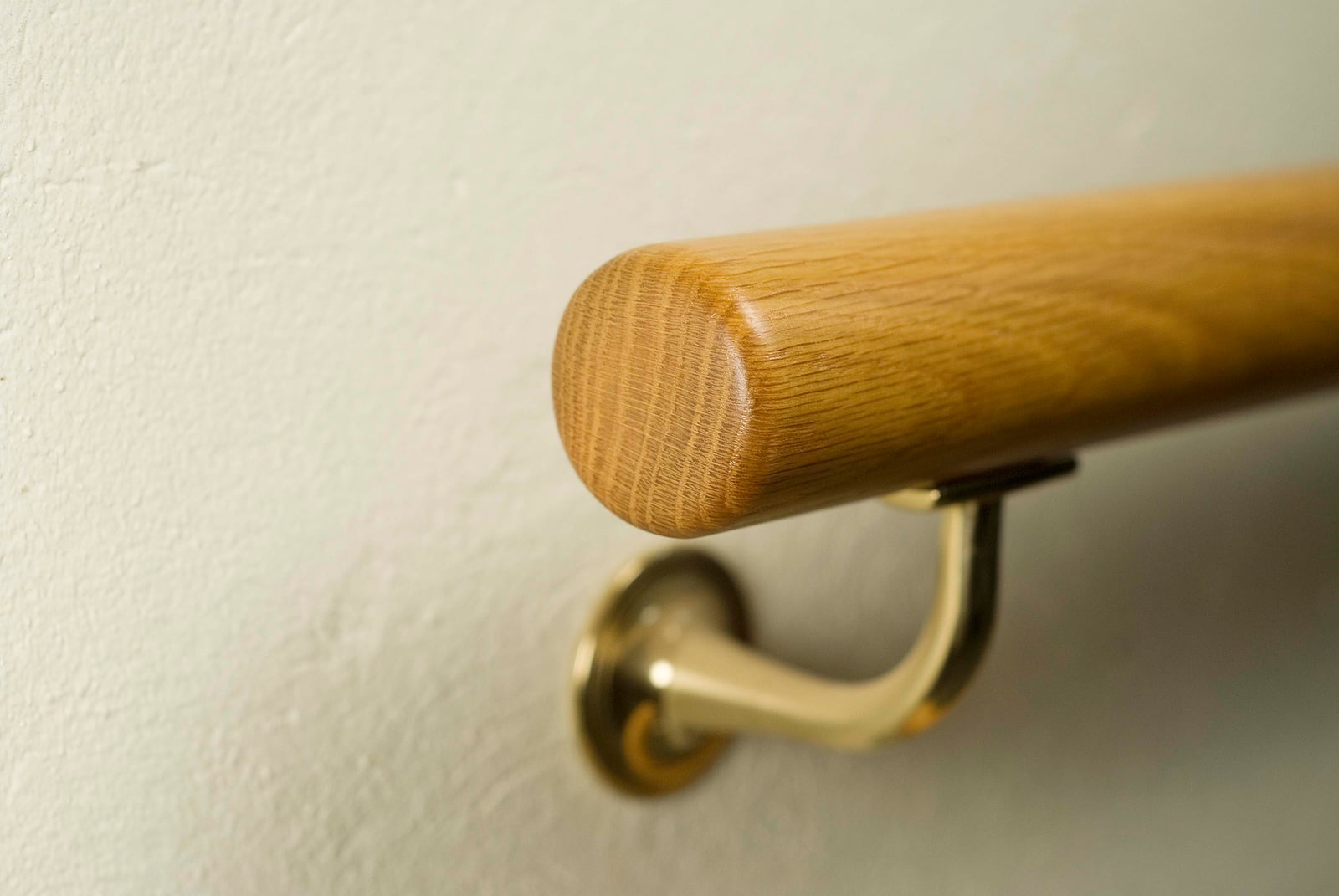
Rounded end 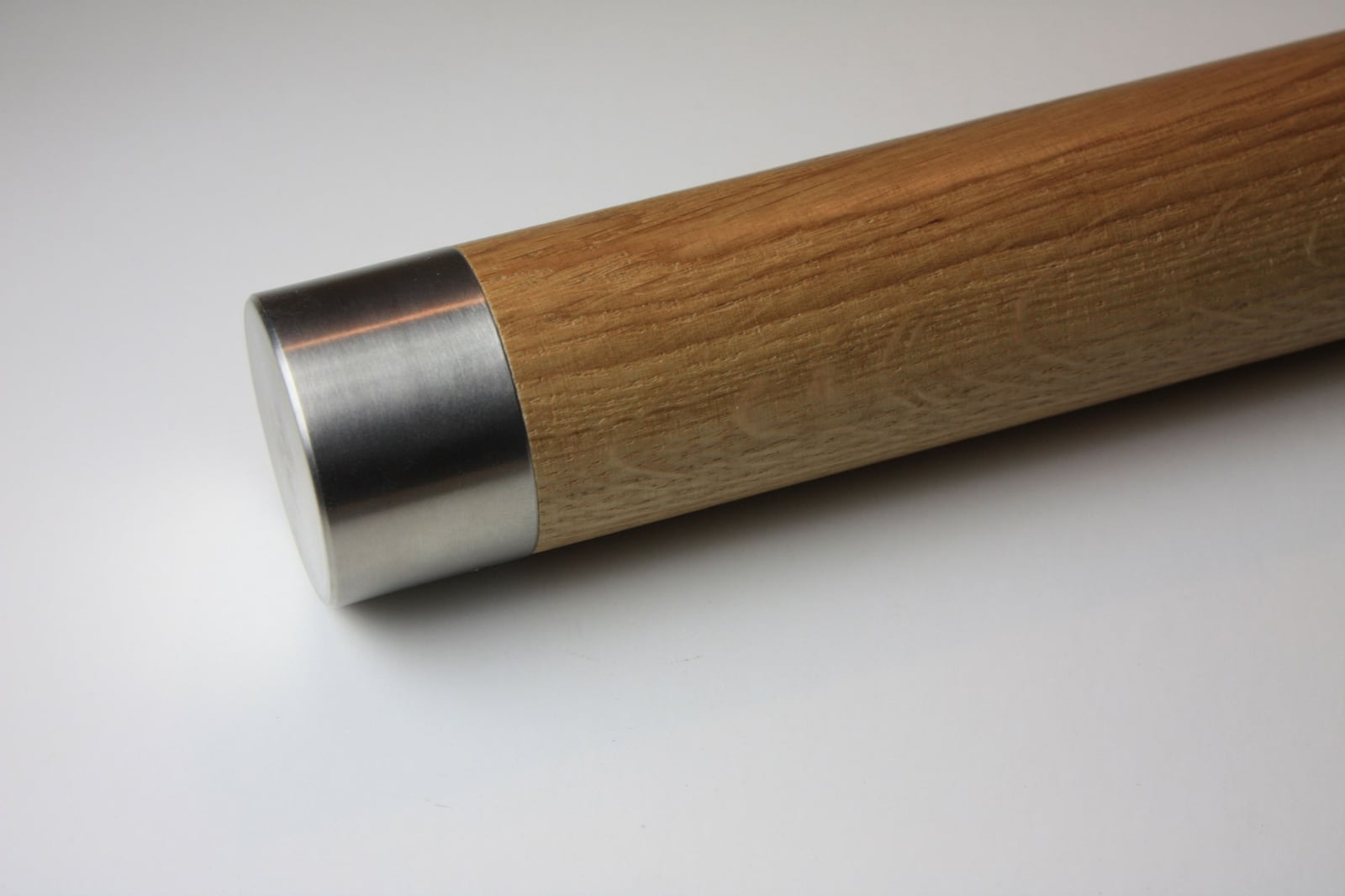
Stainless end sleeve 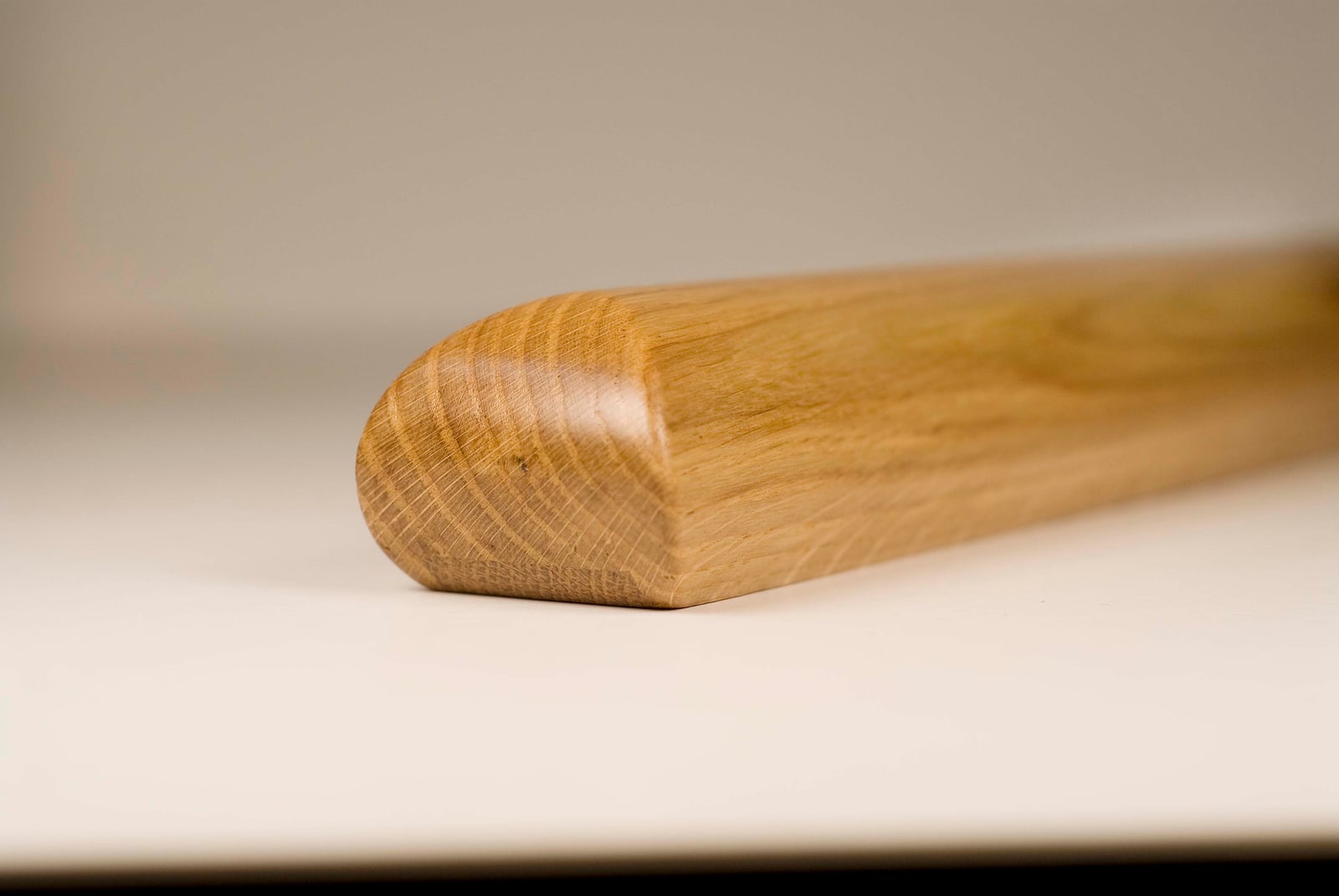
Profile-milled end 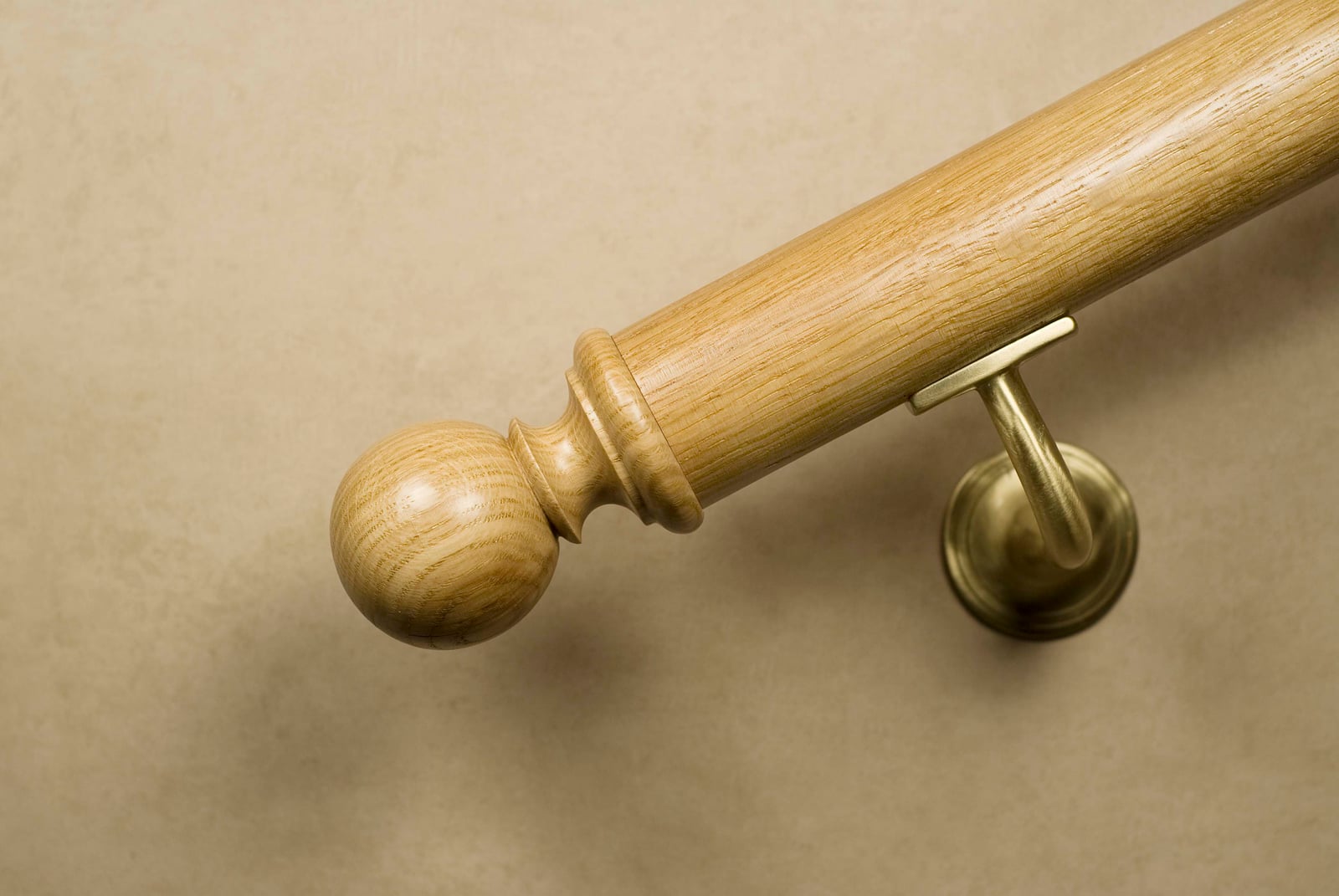
Turned knob 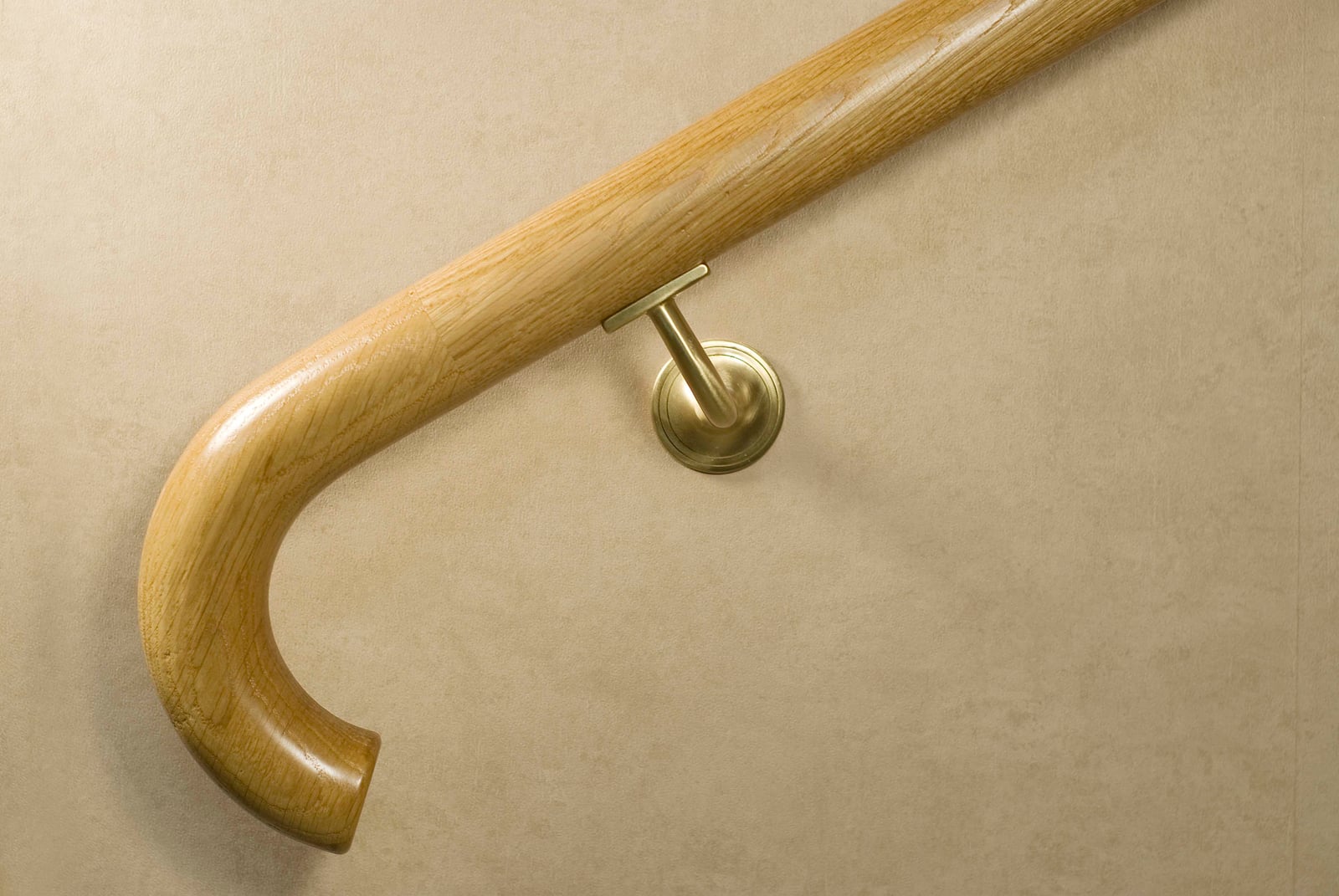
Newel cap 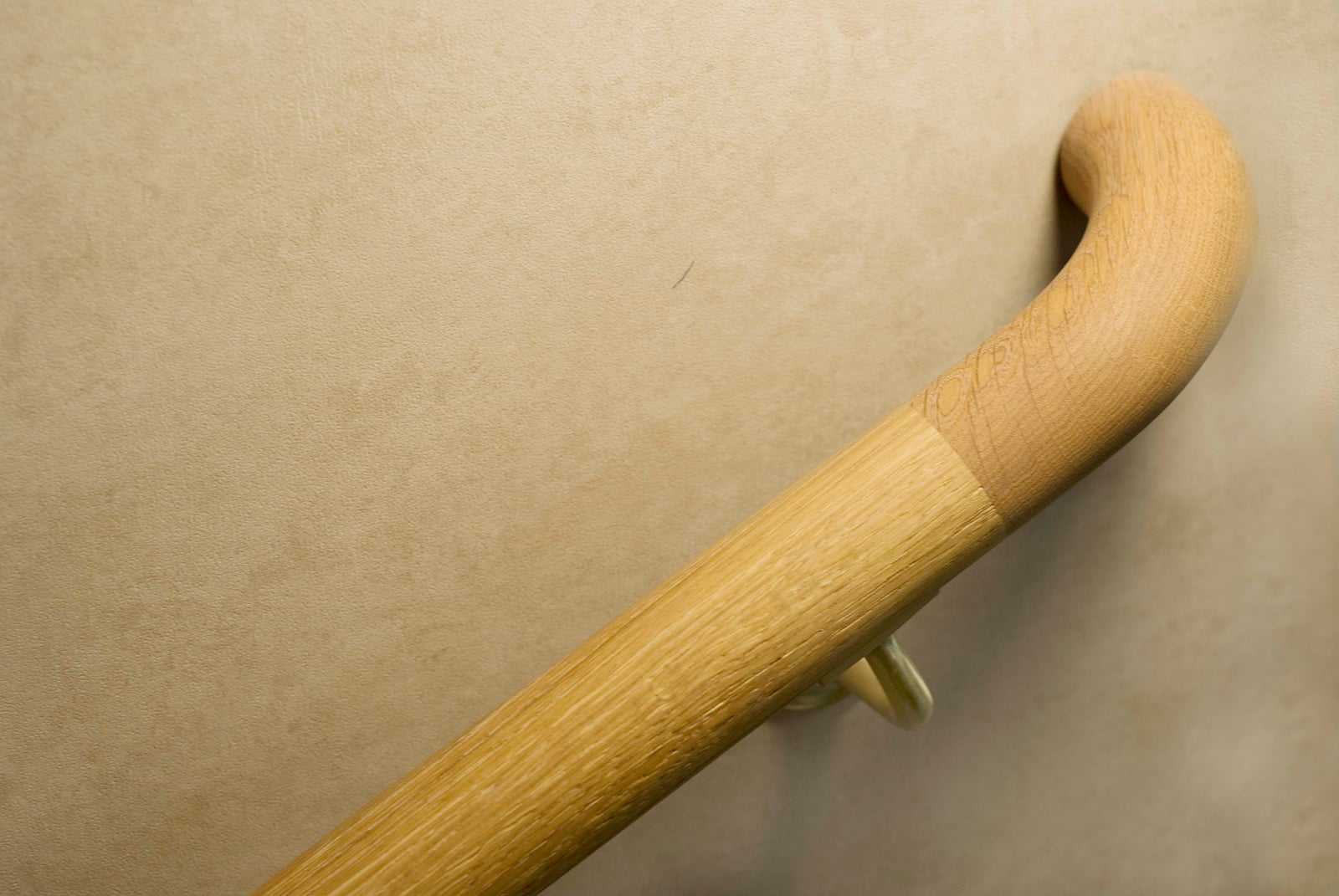
End curve


End details
The end detail is where a handrail is either finished or merely stopped. Round handrails can take rounded, chamfered or fully rounded ends, or stainless end sleeves; mouldings are rounded or profile-milled. For the larger finishes there are the newel cap, the volute, the turned knob and an end curve returning to the wall.
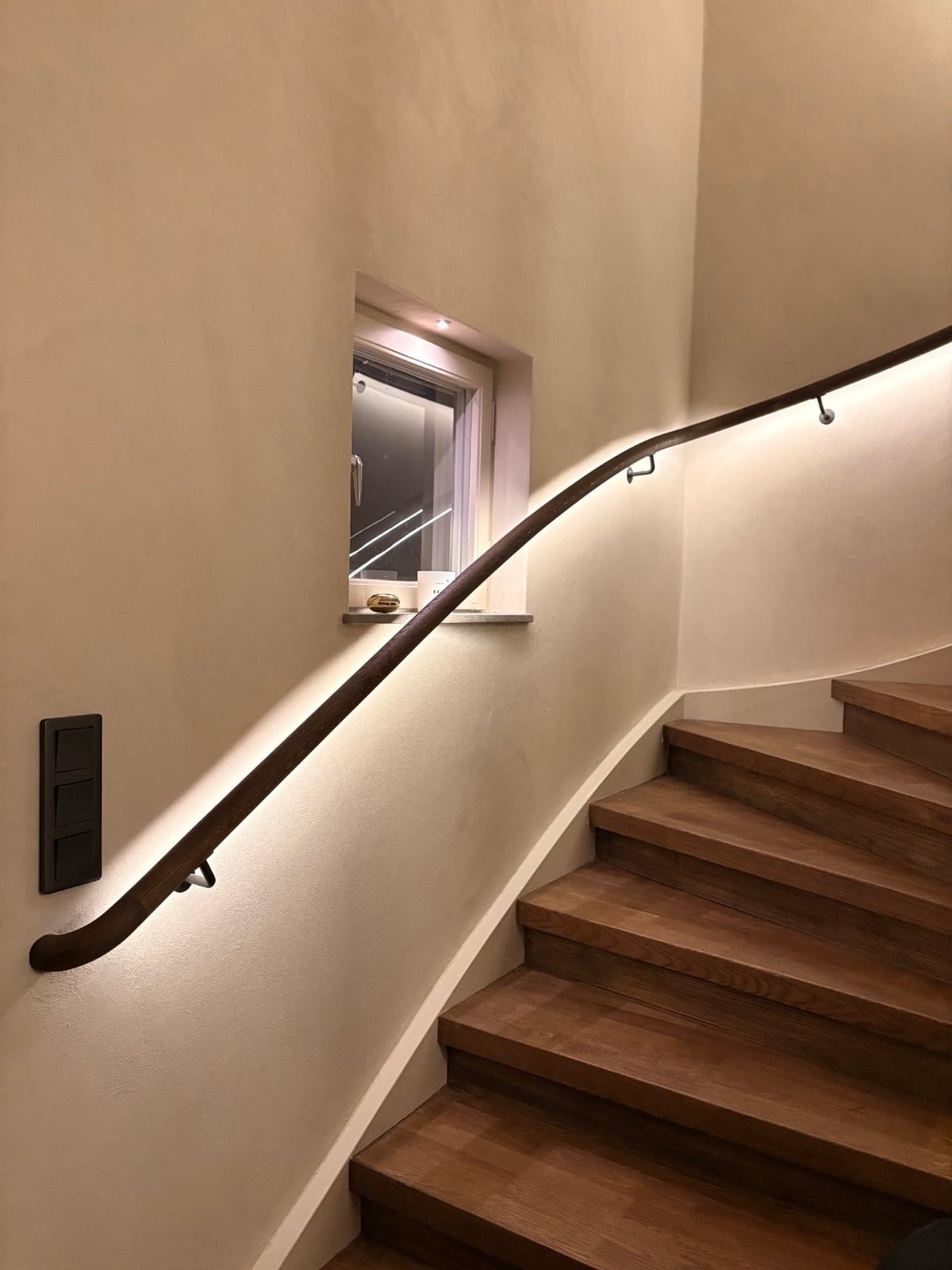
Milled-in LED strip 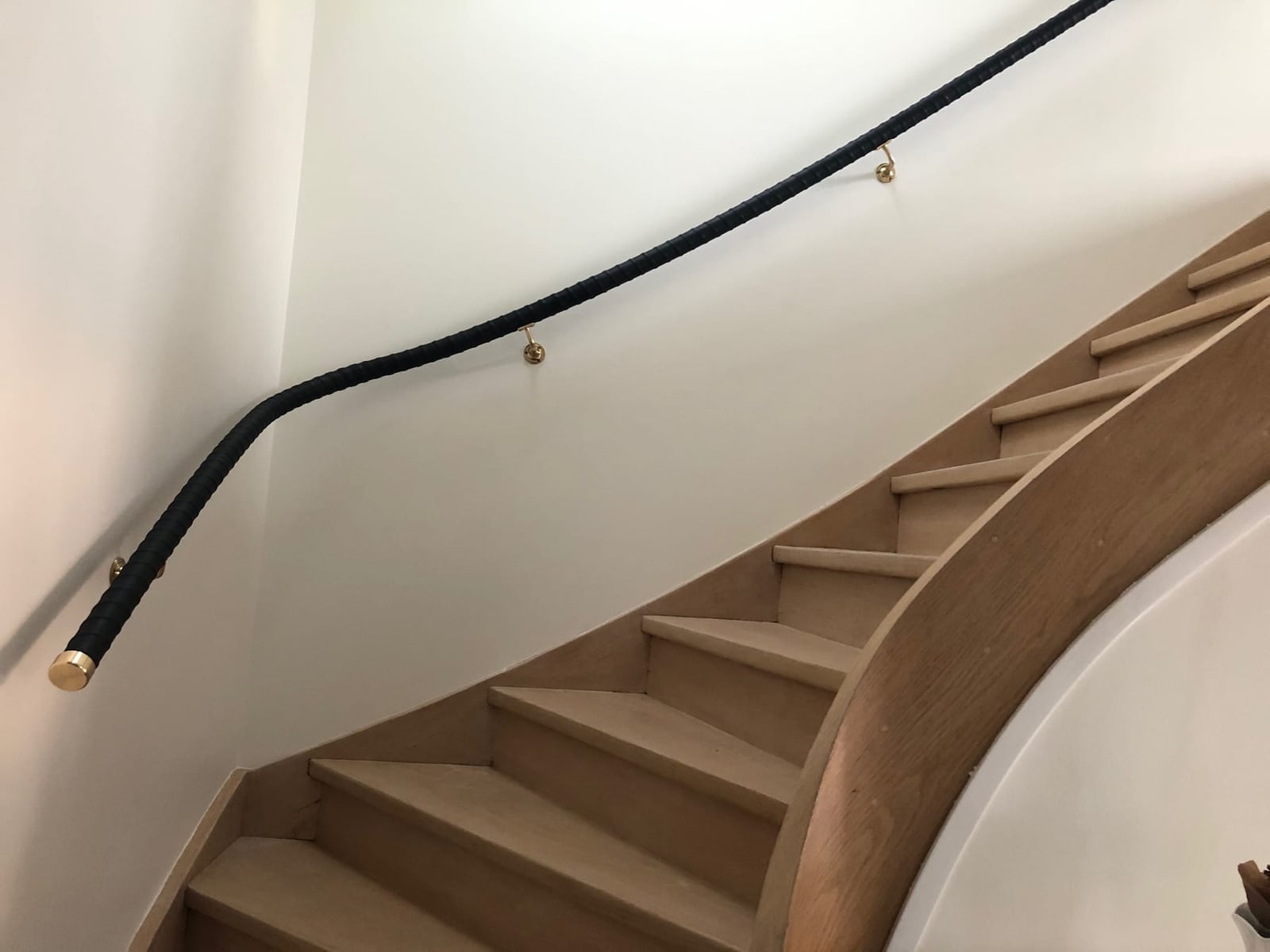
Leather-wrapped · Beech 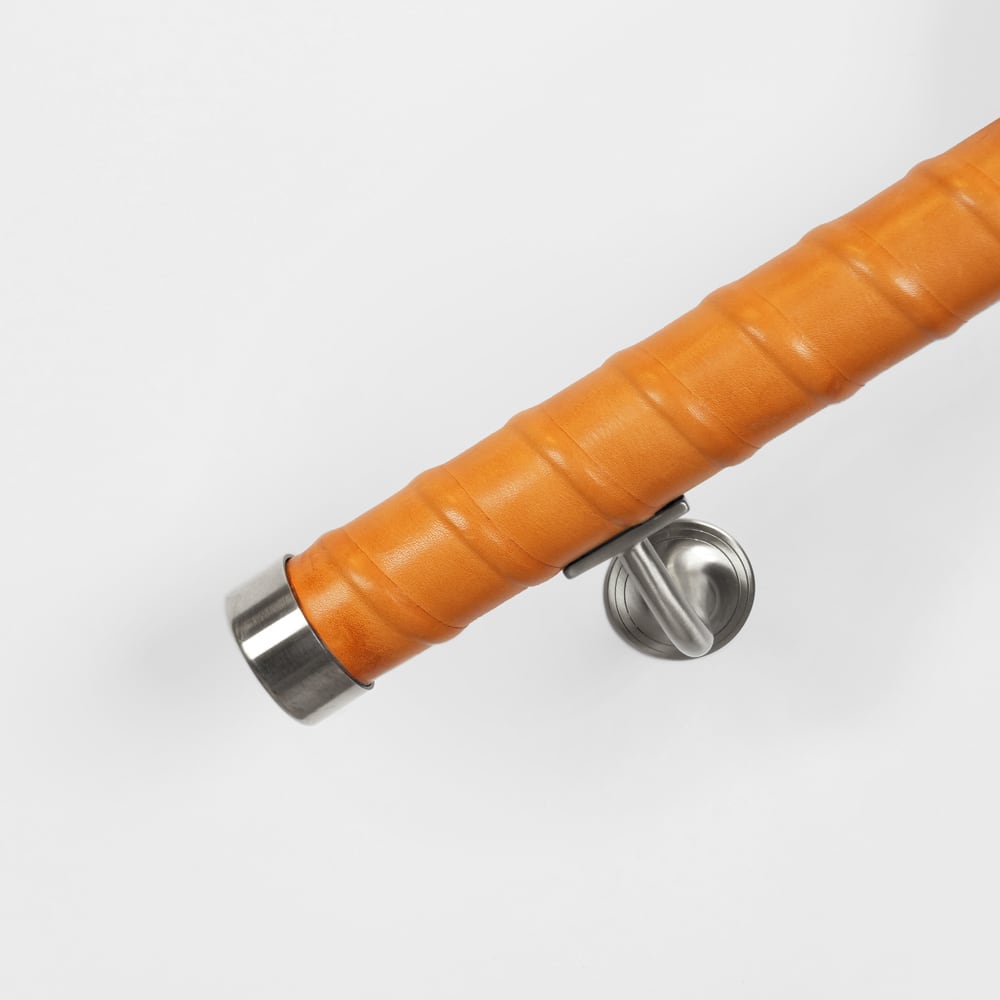
Leather-wrapped, close up


Light and leather
An LED strip can be milled into the underside of the handrail, so that the light falls on the treads and not in the eyes. Round handrails can also be wrapped in leather, stitched by hand around beech – the hardest-wearing of our timbers. The leather is warmer at first touch and darkens over the years where people actually hold on.
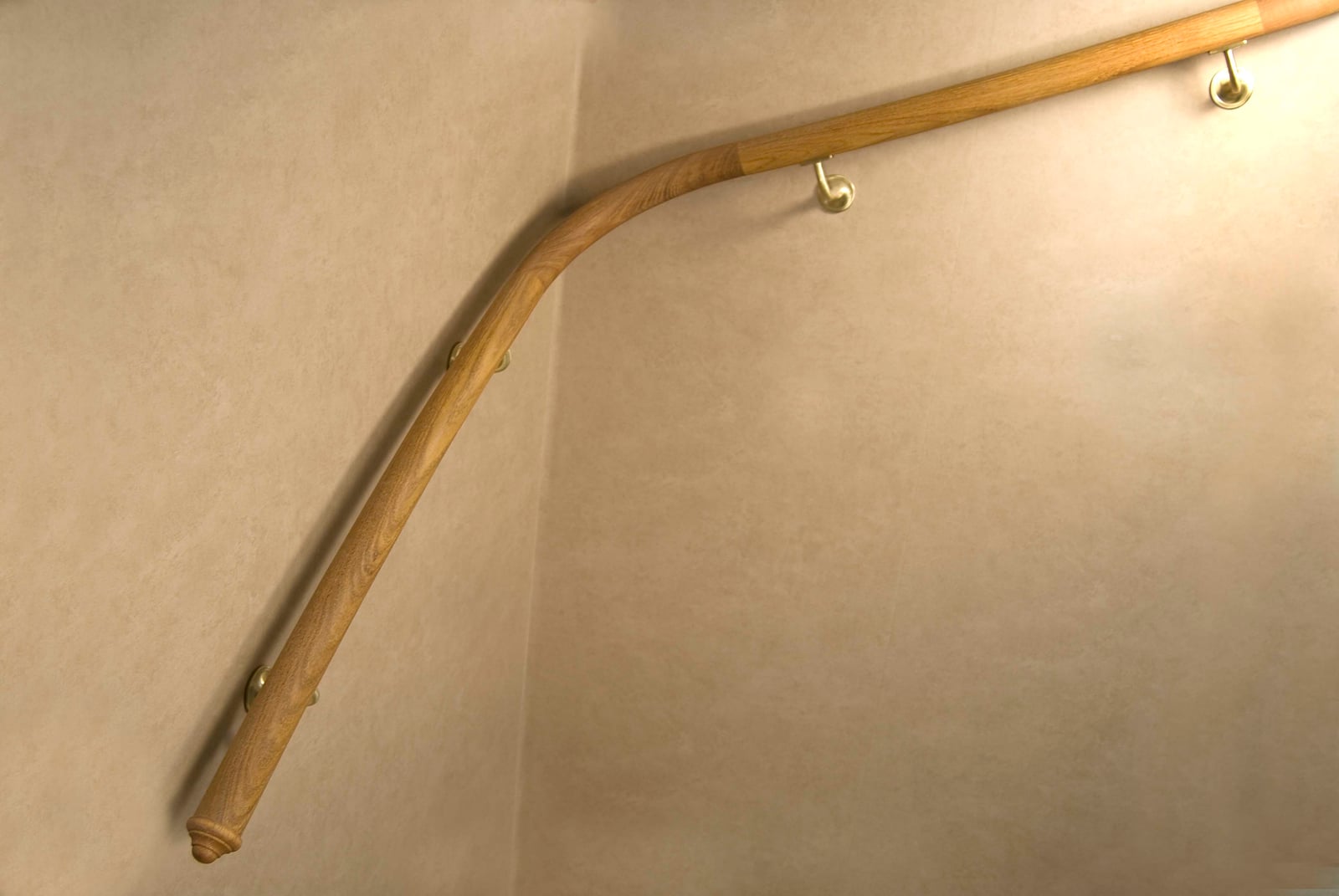
Curved on the wall 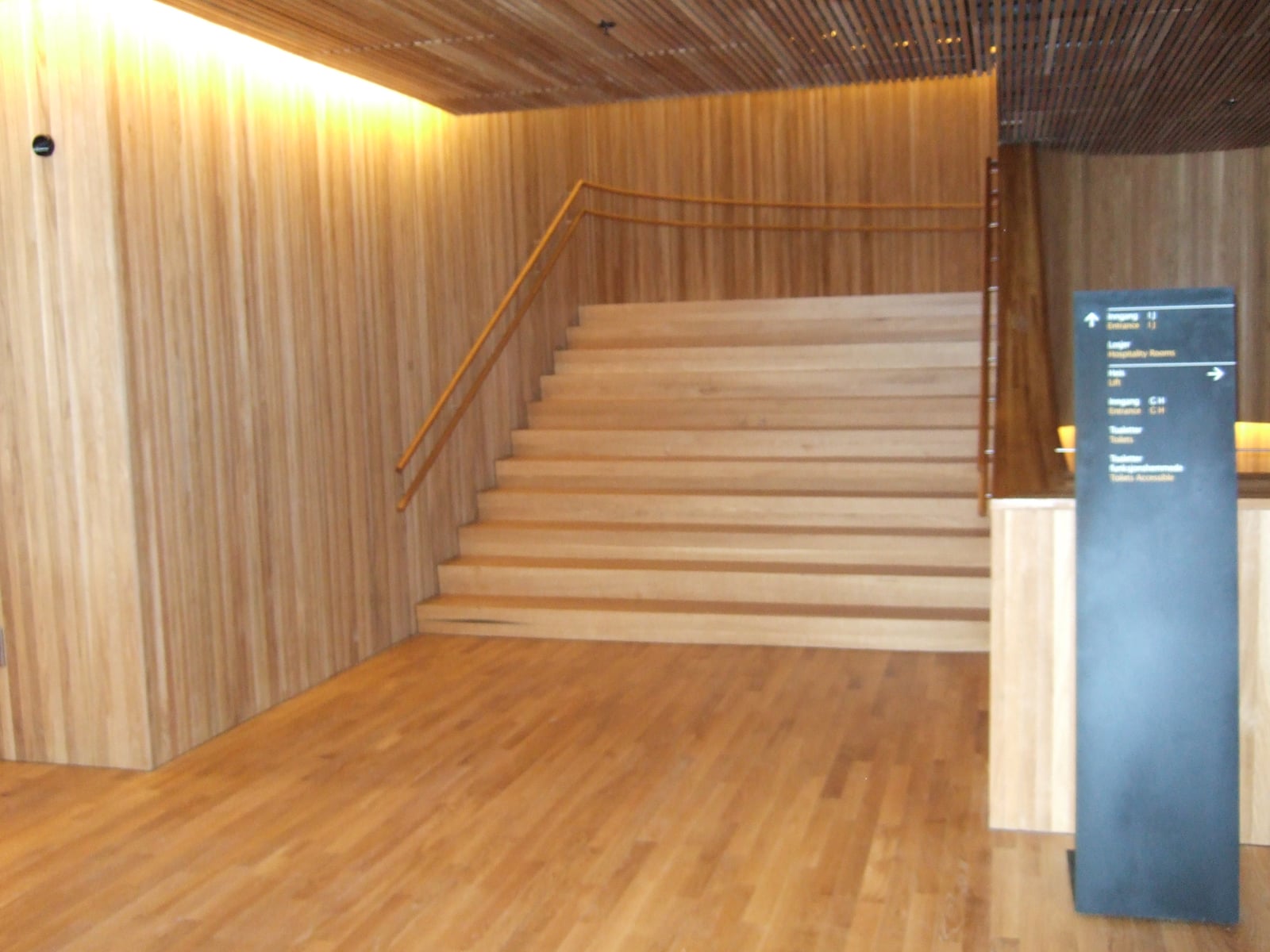
Oslo Opera House 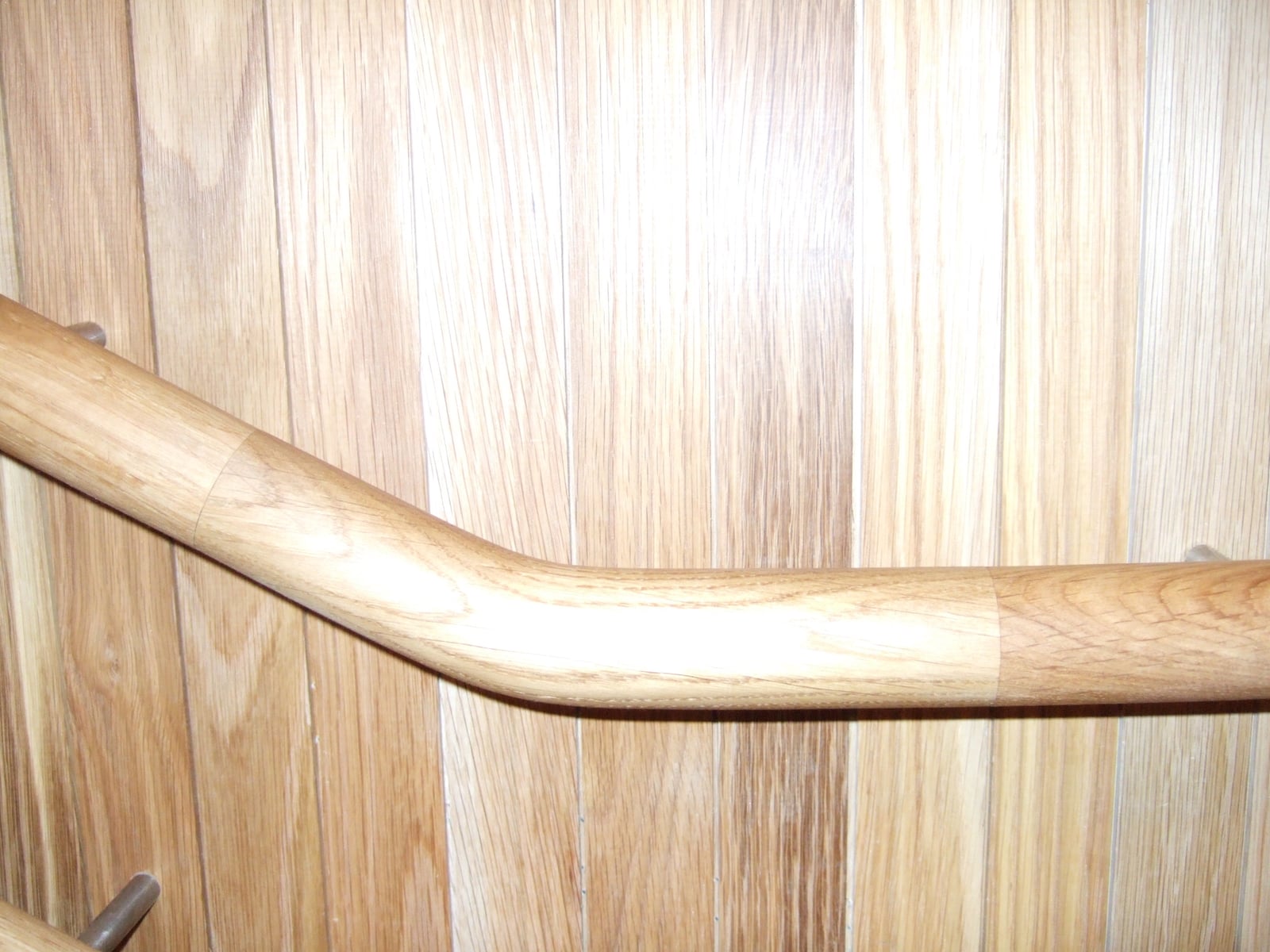
Oslo Opera House · Bend


From a photo to a fitted handrail
A photo or a sketch with measurements is enough to get started, and we tell you what is possible and what it costs before anything is committed. The measuring and installation guide shows, as documents and films, how to measure and put up the handrail yourself. The handrail is made in the workshop in Herrljunga, and if anything about the measuring is unclear, ask us.
Feel it before you decide
Screens render timber differently. Samples of profile, species, finish and end detail can be ordered on the samples page, and for architectural practices they are normally free of charge.
Common questions
On timber handrails.
Which timber is best for a handrail?
Oak is what we use most – hard, stable and with pronounced grain – and a safe choice when in doubt. Beech is dense and hard-wearing and takes stain evenly, ash is tough and bends willingly, and walnut is the darkest timber we work in. Outdoors we recommend Accoya, mahogany or larch. In all, we make handrails in twelve species.
Round or profiled handrail – what is the difference?
The round gives a full grip all the way round and is made in 40, 42, 45 and 50 mm as standard. It is the profile the bends are made in, the only one that can be wrapped in leather, and the one with the most end details. The profiled ones – over thirty in production – give a definite grip and a different look. The number of a profile is an article number, not a measurement.
Can you make a handrail for a curved staircase?
Yes. On a winding stair the handrail is shaped to the stair's actual geometry, not the nearest standard radius. The bends are made in the round profile for L-shaped and U-shaped stairs, and for curved runs we take the measurements on site.
What is a leather-wrapped handrail?
A round beech handrail wrapped in leather and stitched by hand. The leather is warmer at first touch and darkens over the years where people actually hold it. It comes straight and curved for L-shaped and U-shaped stairs.
I am renovating my staircase – can I replace just the handrail?
Yes. A new handrail can be fitted to the wall on brackets or sit as a top rail on a balustrade, and it is made to the measurements of the stair you have. In a house in Alingsås we supplied a railing and a 45 mm round oak handrail as part of a staircase renovation with new oak treads.
Do you make handrails to measure?
Yes, all of them. Every run is made for its own staircase in our workshop in Herrljunga, Sweden. We keep no stock of finished handrails, and if none of our thirty-plus profiles fits, we draw and make yours.
I have a photo of a handrail – can you make one like it?
Send us the photo. A drawing, a sketch or a photo with measurements is enough to start, and we tell you what is possible and what it costs before anything is committed. We compare it with the profiles we have in production, and if none of them fits, we draw and make it.
Do you deliver outside Scandinavia?
Yes. Our handrails are in buildings across Scandinavia and beyond, including the House of Sweden embassy in Washington D.C. Send a drawing or a photo with measurements and we will tell you what is possible and what it costs.
Can I see the timbers and profiles before I decide?
Yes. Screens render timber differently, so samples of profile, timber, finish and end detail can be ordered on the samples page.
Who are HLF?
HLF – Herrljunga Ledstångsfabrik – has made timber handrails in Herrljunga, Sweden, since 1945. Our work includes the Oslo Opera House, World of Volvo and Mall of Scandinavia, as well as a great many private homes.
Related pages
Need help with your project?
Get in touch for a no-obligation conversation about your project.
Get in touch