
Timber species for handrails
The species decides the weight in the hand, how the surface takes light and how the run ages. Here is what sets them apart, and when each one fits.

Twelve species, one handrail
We make handrails in twelve species. Choose by the floor or stair you already have, by how hard the run will be used, and by whether it stands indoors or out.
- ✓Oak, beech, ash, maple and birch
- ✓Walnut, cherry, mahogany and elm
- ✓Accoya, larch and pine
The species
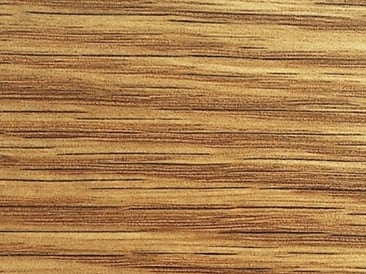
Oak 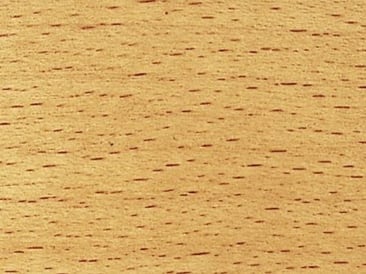
Beech 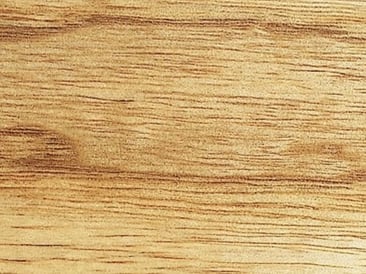
Ash 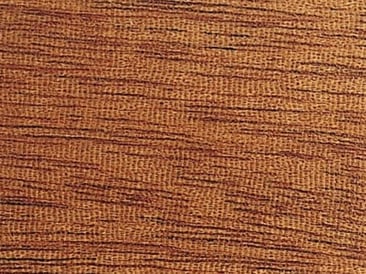
Mahogany 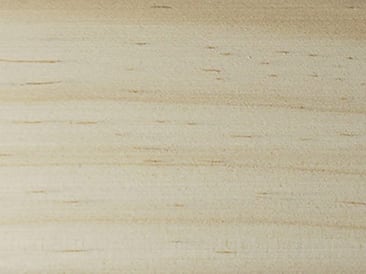
Accoya 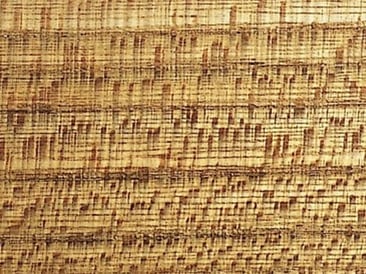
Elm 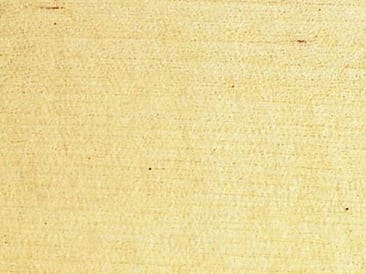
Birch 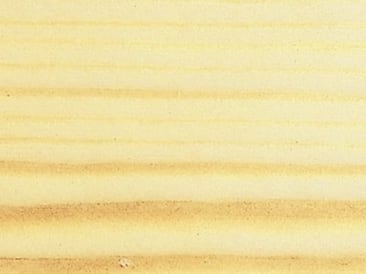
Pine 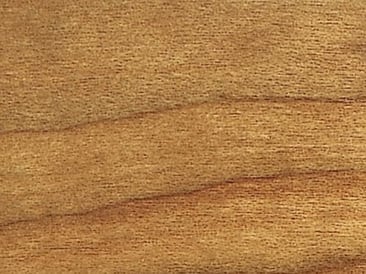
Cherry 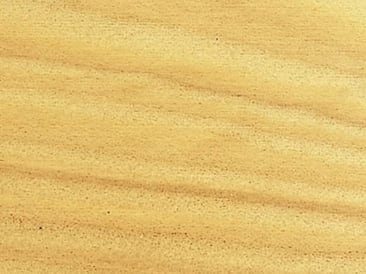
Larch 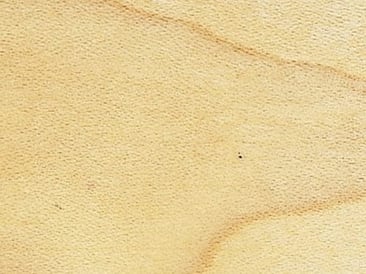
Maple 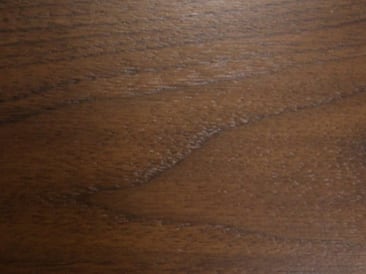
Walnut


Examples from our projects
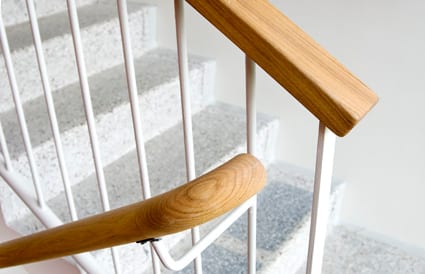
Finngösaparken · Oak 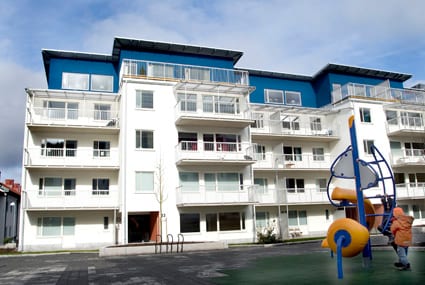
Finngösaparken · Oak 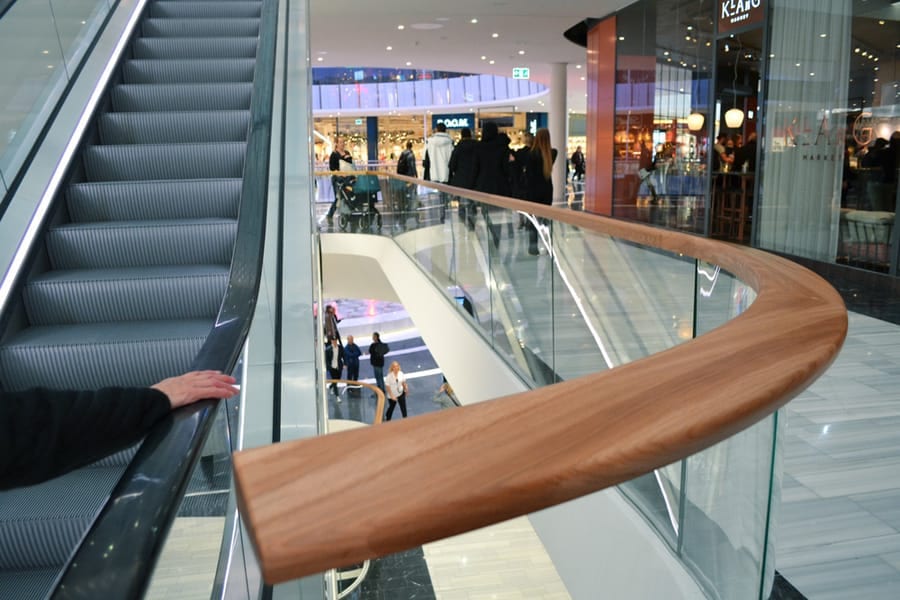
Mall of Scandinavia · Clear-lacquered oak 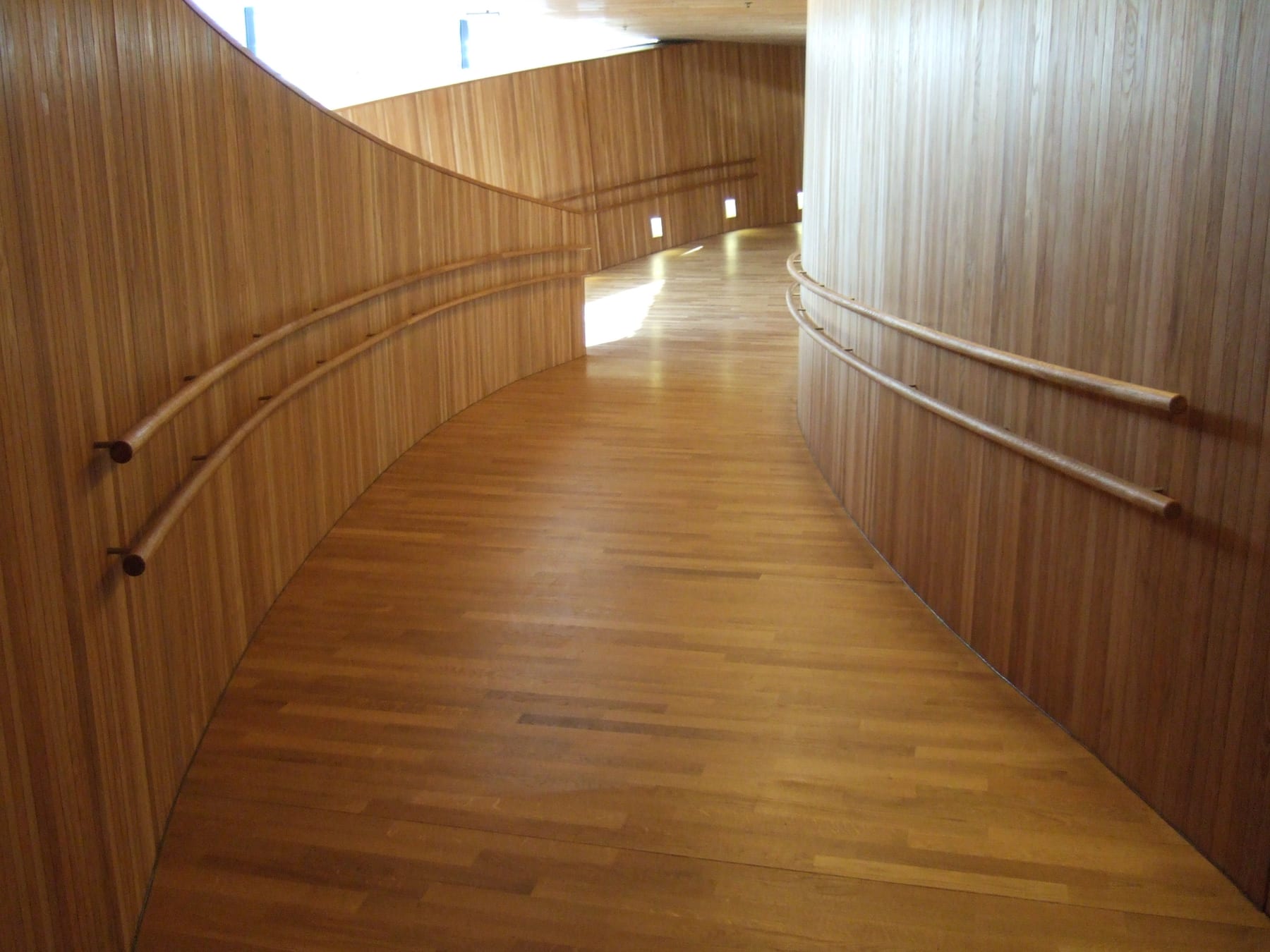
Oslo Opera House · Lacquered maple and oiled oak 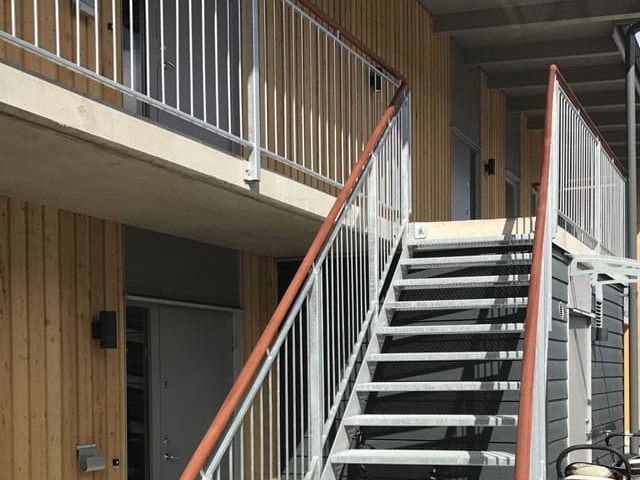
Outdoors · Mahogany 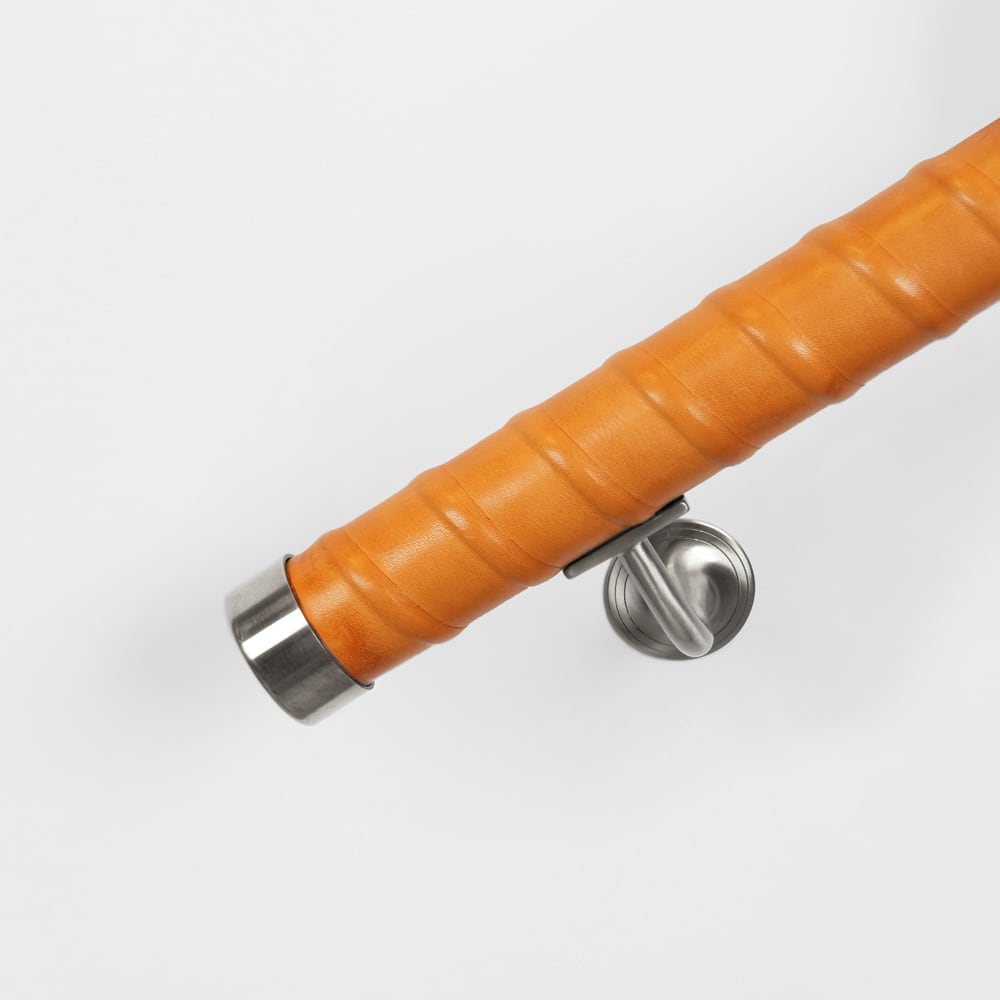
Leather-wrapped · Beech


Oak – when in doubt
Oak is hard, stable and the species we use most. Oiled oak keeps a matt surface that can be touched up in patches; lacquered oak gives harder protection but has to be sanded back in full when it is redone. The Oslo Opera House has 300 metres of oiled oak, and Mall of Scandinavia over a kilometre of clear-lacquered European oak.
Light and calm
Maple is almost white and very dense, with barely visible grain – the quietest surface we make. Birch is light without being white. Beech is dense, almost without figure, takes stain evenly, and is the rail beneath our leather-wrapped handrails. The Opera House has 350 metres of lacquered maple.
Dark and warm
Walnut is the darkest timber we work in. Cherry darkens more visibly over the years than any other, and mahogany is red-brown and heavy. Elm has a wavy grain in which no two runs come out alike.
Curved runs
Ash is tough and bends willingly, with long fibres and marked grain – worth considering when the handrail is to follow a winding stair.
Outdoors
Outdoors, rain, sun and frost work on a handrail all year. Accoya takes up far less moisture and moves little; mahogany and larch are durable without modification.
See it in the hand
Screens render timber differently. Order samples before you decide – for architectural practices they are normally free of charge.
Related pages
Products and categories
Guides and information
Need help with your project?
Get in touch for a no-obligation conversation about your project.
Get in touch